
Family-run microcement specialists · 10+ years experience · London & Home Counties · Premium quality · Competitive value
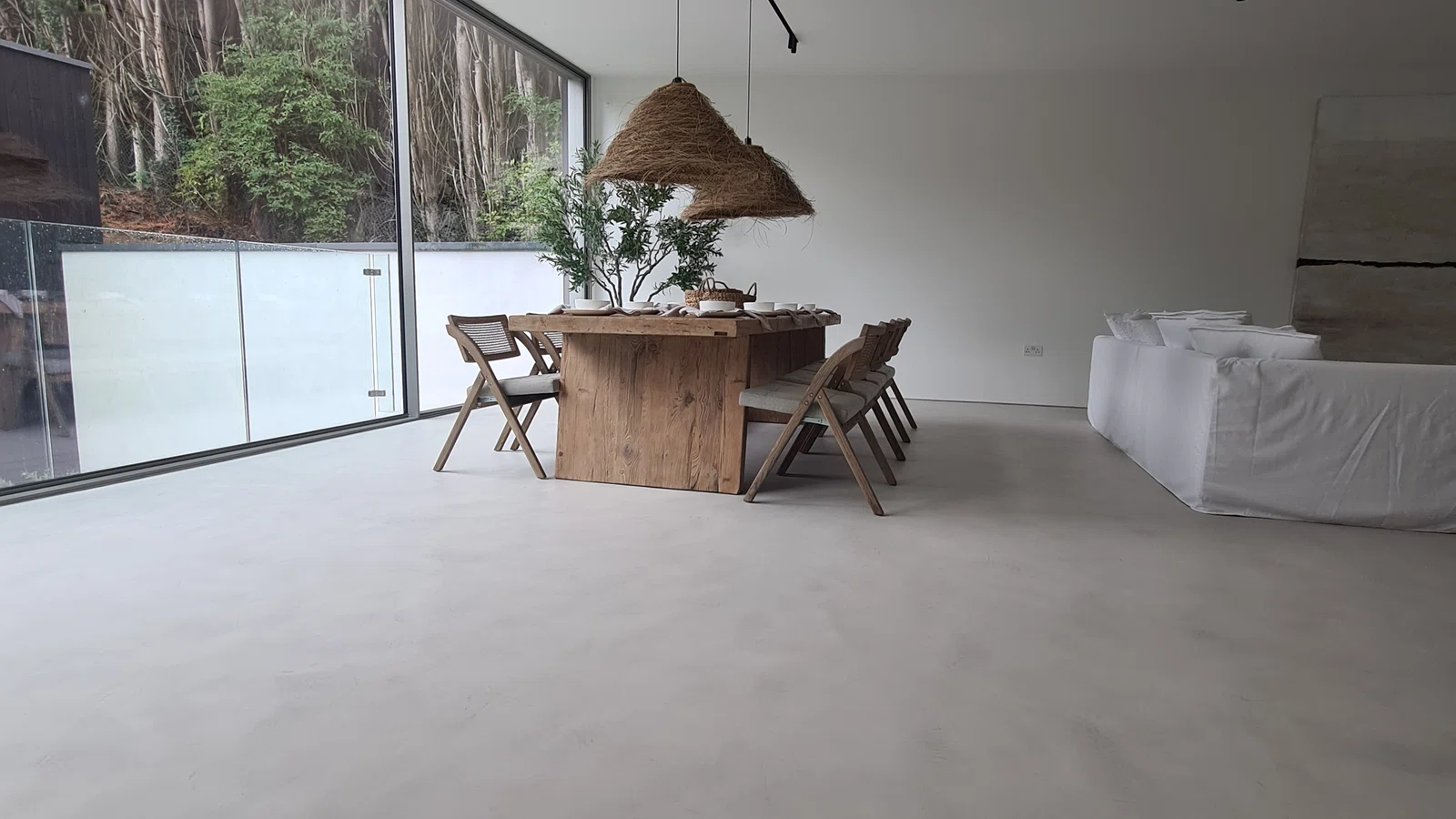
Completed microcement flooring project
Floor refurbishment guide

Microcement Floor Resurfacing in London

Microcement floor resurfacing creates a new continuous finish over a suitable existing floor without automatically demolishing the substrate below. It is most effective when the base can be stabilised, prepared and retained.

Family-run specialist team 10+ years experience Real projects photographed Competitive value
Overview Technical Process FAQs Contact
Quick answer

Resurfacing is a preparation-led refurbishment method.

Microcement floor resurfacing creates a new continuous finish over a suitable existing floor without automatically demolishing the substrate below. It is most effective when the base can be stabilised, prepared and retained.

The old Eco Microcement article positioned floor resurfacing as an alternative to a full renovation when replacing an otherwise usable floor would add cost and disruption. That remains a useful starting point, but the decision should be technical rather than cosmetic: the existing substrate must be capable of supporting the new finish.

Concrete, screed and well-bonded tiled floors can often be candidates for resurfacing. The installer checks stability, moisture, cracks, hollowness, contamination, movement joints and floor level before deciding how much repair, reinforcement or levelling is required.

Experience & accountability Reviewed by the Eco Microcement installation team

Guidance is based on the company’s published service information, more than a decade of specialist installation experience and completed project work. Final specification remains project-specific.

Suitability check

When resurfacing works — and when it doesn't.

Keeping an existing floor is valuable only when the base can be made reliable.

Good candidate

A stable, well-bonded floor with manageable repairs and suitable moisture conditions can often be retained and prepared.
Needs remediation

Cracks, hollow tiles, local failures and unevenness may be repairable, but the preparation scope has to be priced and programmed properly.

Not a coating problem

Active structural movement, unresolved damp or a failing substrate cannot responsibly be hidden under a decorative finish.

Resurfacing process

Assessment comes before appearance.

  1. Inspect. Identify substrate type, defects, movement and moisture.
  2. Repair and stabilise. Address loose material, cracks and level where appropriate.
  3. Prepare and prime. Create the adhesion profile required by the selected system.
  4. Reinforce if required. Use reinforcement according to the substrate and system specification.
  5. Apply microcement. Build the finish in multiple controlled layers.
  6. Seal and cure. Protect the finished floor and follow the required cure period before normal use.
Completed residential microcement floor
Real residential floor completed by Eco Microcement.
Cost logic

Preparation is part of the price.

Resurfacing can reduce demolition, skips and replacement materials, but it is not automatically cheap. The quotation must reflect the real condition of the floor. A like-for-like comparison should include repairs, reinforcement, decorative coats, sealing and the same area.

Common resurfacing projects
  • Open-plan home renovations
  • Kitchen and living-room floors
  • Retail and showroom refurbishments
  • Office receptions
  • Existing tile or screed floors subject to assessment

It is the process of preparing a suitable existing floor and applying a thin microcement system to create a new seamless decorative surface, rather than automatically removing and replacing the entire floor.

Often, yes, when the tiles are well bonded and the floor is stable. Hollow tiles, movement, cracks, contamination and level changes need to be assessed and corrected first.

It can reduce demolition and disposal, but the final cost depends on preparation, repairs, reinforcement, area, access and finish. A heavily damaged base can make resurfacing less economical.

It can be compatible with correctly designed and commissioned underfloor heating systems. The screed condition, moisture and heating cycle must be considered before installation.

It is a multi-stage process with preparation, coating, sanding, sealing and curing. The programme depends on area, substrate condition and the selected system.

More completed projects

Floor resurfacing projects in real spaces.

Completed floor projects selected from the client’s dedicated Floors photography.
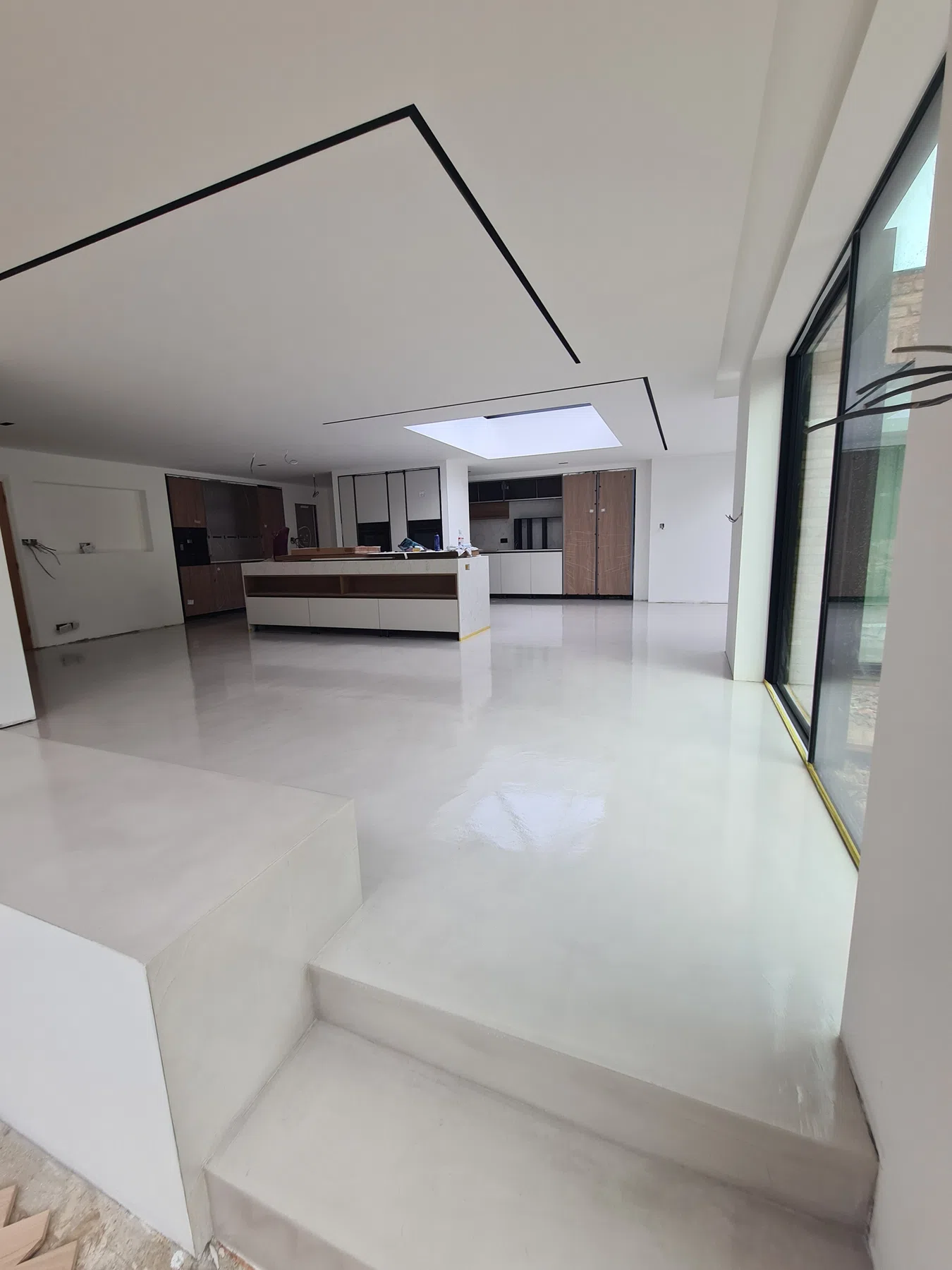
Floor resurfacing completed project 1

Floor resurfacing project 1

Completed Eco Microcement project relevant to this service.
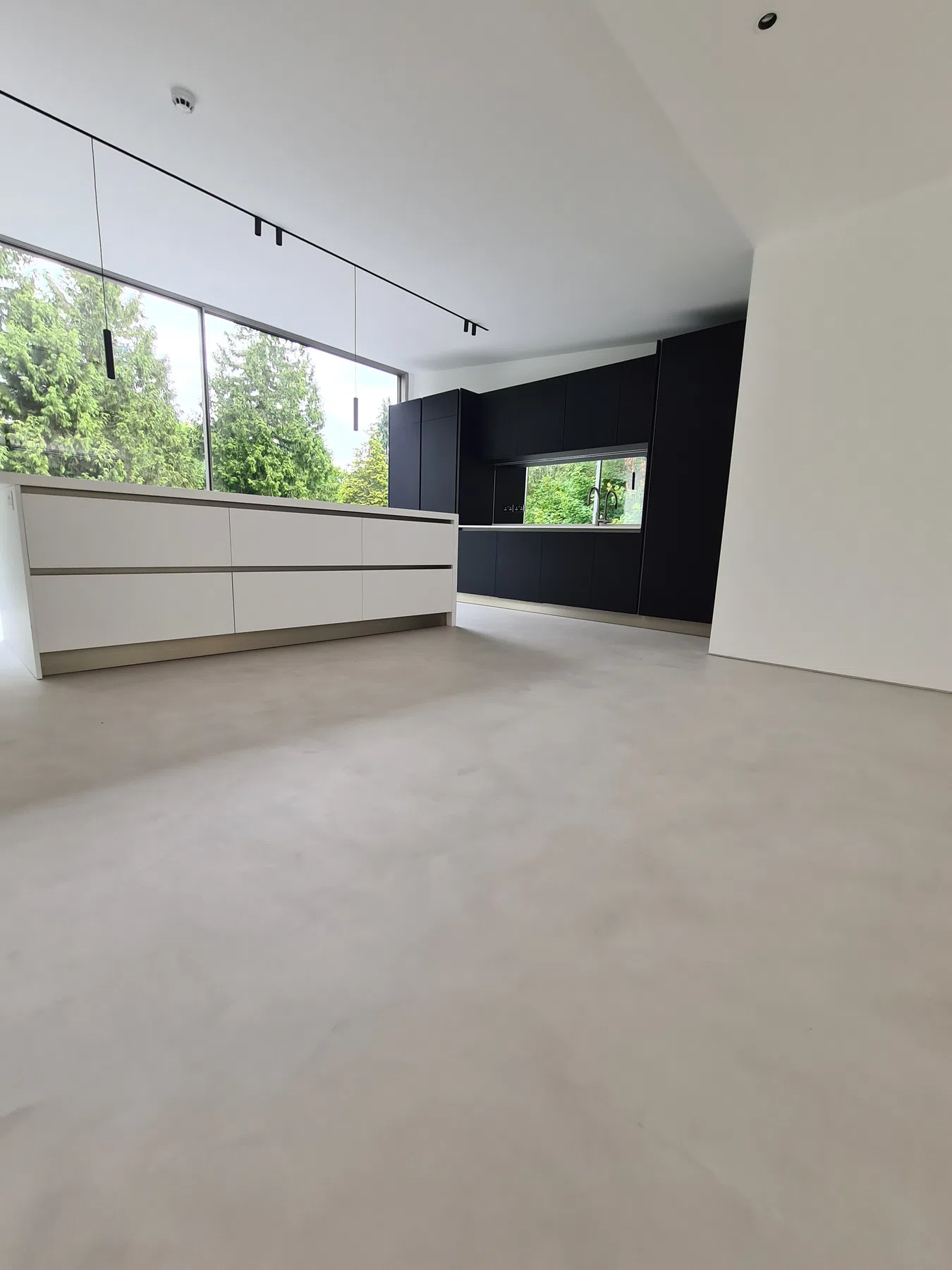
Floor resurfacing completed project 2

Floor resurfacing project 2

Completed Eco Microcement project relevant to this service.
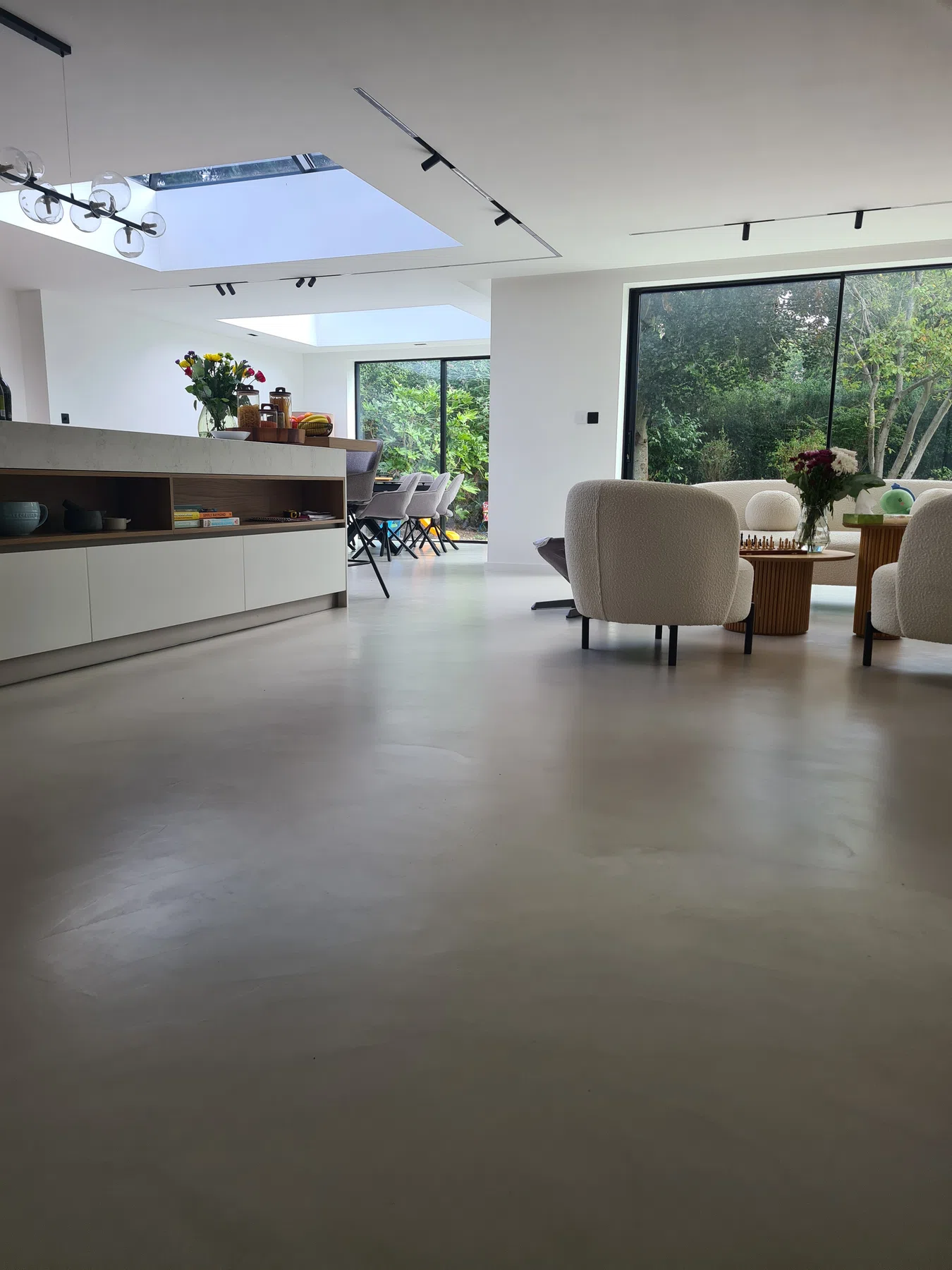
Floor resurfacing completed project 3

Floor resurfacing project 3

Completed Eco Microcement project relevant to this service.
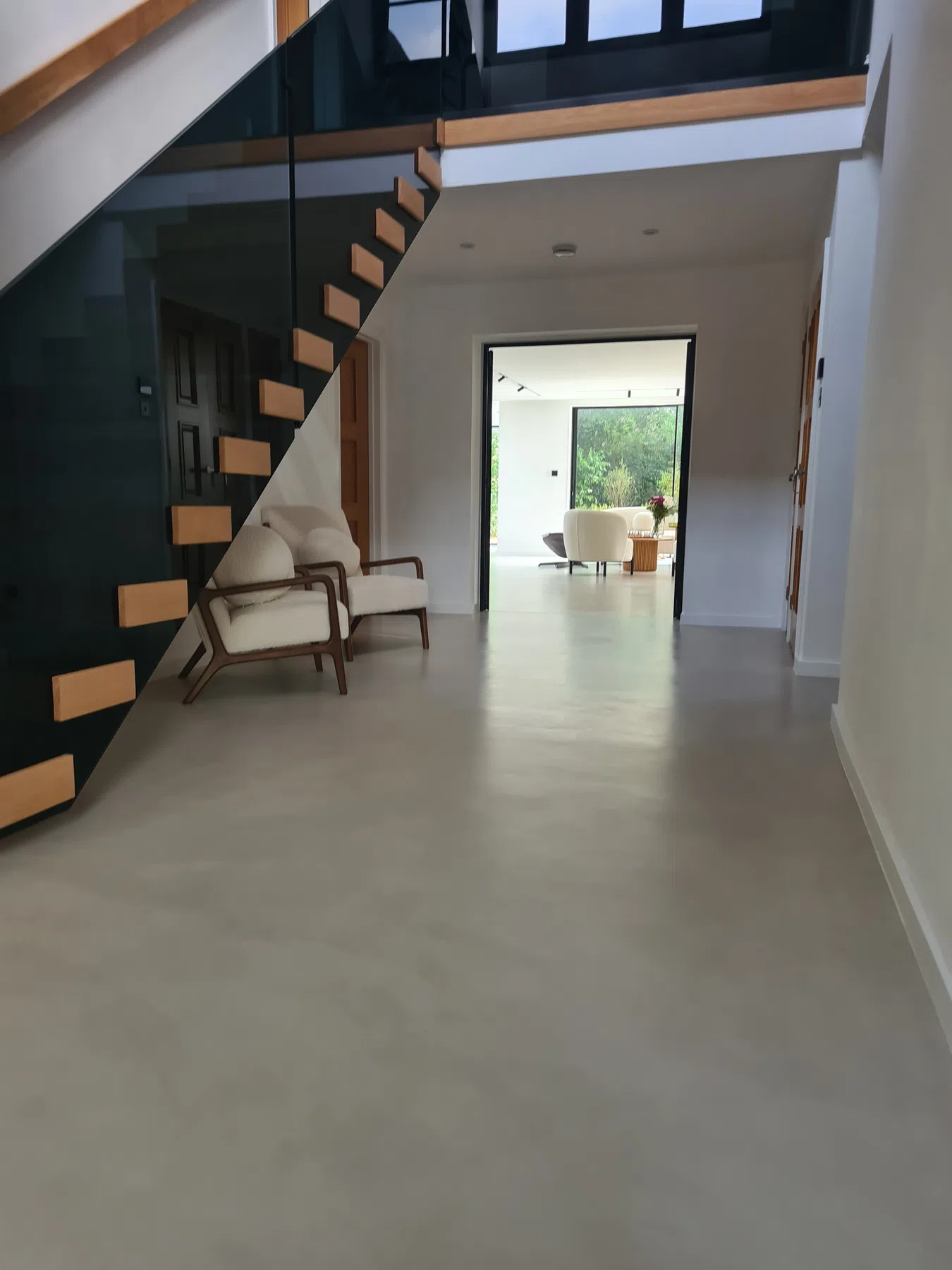
Floor resurfacing completed project 4

Floor resurfacing project 4

Completed Eco Microcement project relevant to this service.

Floor resurfacing completed project 5

Floor resurfacing project 5

Completed Eco Microcement project relevant to this service.

Floor resurfacing completed project 6

Floor resurfacing project 6

Completed Eco Microcement project relevant to this service.

Discuss your project
with the family team.

Send the location, approximate area, photographs of the current surface and what you want to achieve. The team can then advise on suitability and the next step.

Contact Us →
Contact Us